

The practice of Yoga Therapy emphasizes the mind-body connection for optimal well-being. It’s been long known that if the mind suffers, the body suffers, and vice versa. Recent advancements in research have a similar message. Western sciences are reconnecting the mind and body through the studies of the vagus nerve, the microbiome, and more, shifting toward a more integrative approach to health and well-being.
Embrace Daily Routines or Rituals

When the mind and/or body become imbalanced, experience fatigue, or feel out of sorts, how do we restore balance, even when outside circumstances feel out of your control? Where do we start in order to improve our mental focus? As a Yoga Therapist, one of my lifestyle suggestions is to create a personal and realistic routine or ritual.
A consistent, daily routine can set the tone for the entire day by bringing a sense of well-being. Embracing a daily routine or ritual can also offer us a way to reconnect with our hearts and to begin building patterns of quiet, calm and non-judgement. Look for the daily rituals that will help balance the constant energy of change, and make sure your rituals are adaptable to your life. Be mindful not to add too much, and make adjustments in small steps.
Below are some simple and effective ways to create a better routine and balance in your life.
Establish a Morning Wake-up Time and Ritual
Maintaining a scheduled wake up time gets your body and mind set in a rhythm to gracefully begin your daily activities. A simple routine of rinsing the face, eyes and mouth brings about a renewed freshness of the body and mind. Then, follow with drinking a glass of room temperature water to help cleanse and awaken the digestive tract. Finish with saying a prayer or blessing for the day – say it from your heart.
Explore a Mind-Body Centering Practice
Whether it’s ten minutes or an hour, integrate a centering and calming practice that promotes mindfulness, such as meditation, yoga, or tai chi. Such practices can be a natural way to refresh your brain. A mindfulness or meditation practice can be as simple as walking outside and noticing the sounds and appreciating the sights of nature. There are also yoga postures or breathing practices that can help with fatigue and exhaustion and give the body and mind a reboot. Or, maybe take 10 minutes to read a book in a cozy, quiet place that is free from distractions.
Set Regular Mealtimes
Even on busy days, make sure to take the time to eat a nourishing diet at regular mealtimes. Regular meal timing helps to promote regular digestive patterns and research suggests that it can support both physical and mental well-being. Eat for the season and think about what would be balancing. For example, is it cold and rainy outside? Soups and stews are great for colder weather and will help warm and fuel your body, particularly during the fall and winter months. You could even turn one of your meals into a mindfulness practice. To practice mindful eating: Turn off all devices and sit down to enjoy a meal by yourself. Eat your meal slowly, savor each bite and tune into the sensations as you chew.
Find Grounding Activities
It’s important in times of disturbance or disorder to look for activities that ground and support us. Can you pause and take a breath, sighing on your exhale? Can you create an inviting, quiet spot in your home to spend some alone time thinking and reflecting? A blanket and some pillows on your favorite chair or corner of the couch can make a great retreat from the world. Or, dedicate a space in your home to place a mat and practice your Mind-Body Centering Practice.
Cultivate Positive Thoughts
Acknowledge that you are doing the best that you can in your unique situation.
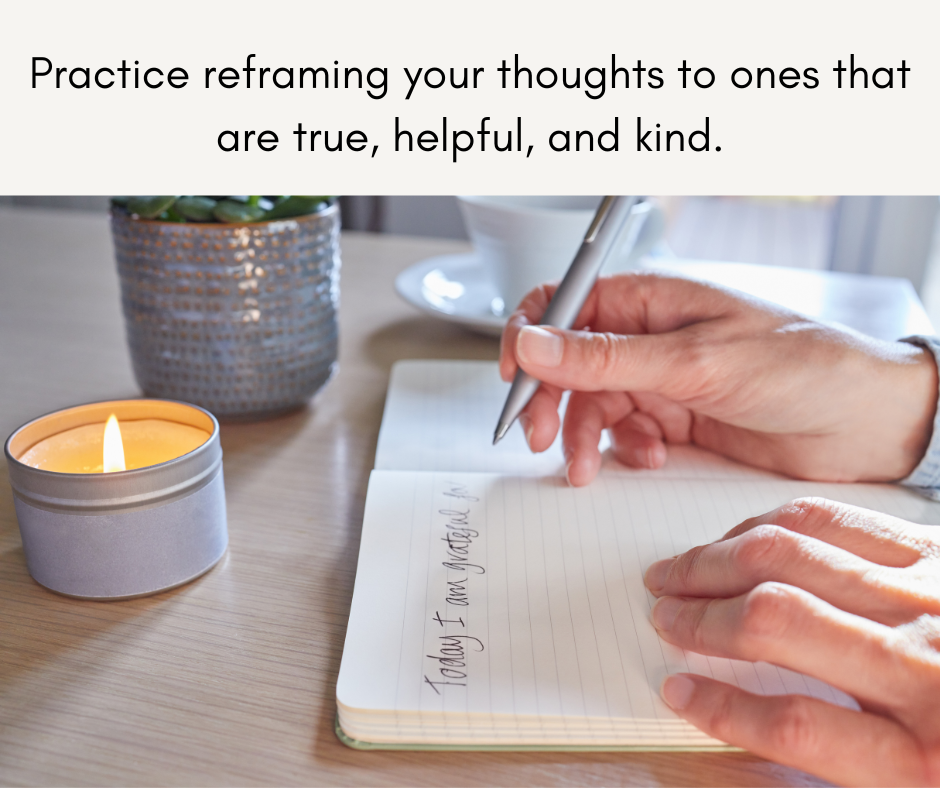
Strong feelings of fear, uncertainty and doubt can lead to distorted thoughts or a constant narrative of mental negativity. Try positive reframing of thoughts that are true and helpful. Hanging meaningful quotes around your home or in your office can also help spark much needed motivation when you’re feeling overwhelmed or low on energy on one particular day.
Think positivity is a bunch of hoo-ha? Then call your funk or imbalance what it is. I believe that sometimes we must acknowledge that a situation is not ideal and then use it as an opportunity to go up from there or an opportunity to try something new. Once we learn to honor our obstacles, we can learn to let go of the distorted thoughts and more easily move forward with more clarity.
Prioritize Sleep & Create Sleep Hygiene Guidelines
Similar to a regular wake-up time, it’s important to maintain a consistent ‘lights out’ schedule. Your brain requires regularity in order to be more focused and regulate your internal clock. A consistent sleep schedule is an accessible way to practice setting a healthy boundary to protect and reboot your physical and mental energy. And, when we practice such boundaries with ourselves, it helps when creating healthy boundaries in other aspects of our life.
Tips for creating an ideal sleep environment:
- Get in the habit of turning off technology at a certain hour each evening. Turn off any sound notifications on your devices if it’s not urgent.
- Keep your phone out of the bedroom to eliminate distractions and blue light at night.
- Keep your room as dark as possible, or wear a breathable eyemask.
Over time, your body and mind will adjust to your new sleep routine, creating a feeling of safety and peace that will help regulate your nervous system and allow for better quality rest and a boost in cognitive function.
Take a Mini-Break to Reboot: A Do Nothing Ritual
A basic tenet of Ayurveda is “like increases like and opposites balance.” Similar to physical activity, if thoughts and emotions become excessive in the mind and it results in ongoing stress and overwhelm, doing and thinking more can lead to more stress, overwhelm and other problems.
Give yourself permission to pause, refresh, rest, and unplug from the hustle culture. This is particularly important if you are taking care of children or parents at home that require even more of your time and attention. Doing nothing for a brief moment is a start. Do nothing and breathe. Connecting with the breath is a simple way to connect with the soul. (Did you know? Latin word “spiritus:” breathing, breath, air, soul, life.)
And, for those who like to do-do-do and live a fast-paced lifestyle, it takes more work and a conscious effort to slow down. The power is in the stillness.

Try incorporating one of these routines and rituals into your daily life. Pick one that is realistic and adaptable to your day, and commit to practicing it for 60 days. Notice how it affects your mental focus, as well as your overall health and well-being.
Seek help from your support network or seek professional help
Remember that you are not alone. Don’t be afraid to ask for help, whether it’s from a family member, a friend, your community or a therapist or wellness professional.
If you’re interested in gaining more support for your health and wellness routine, feel free to contact me for a complimentary consultation to discuss your individual needs.
